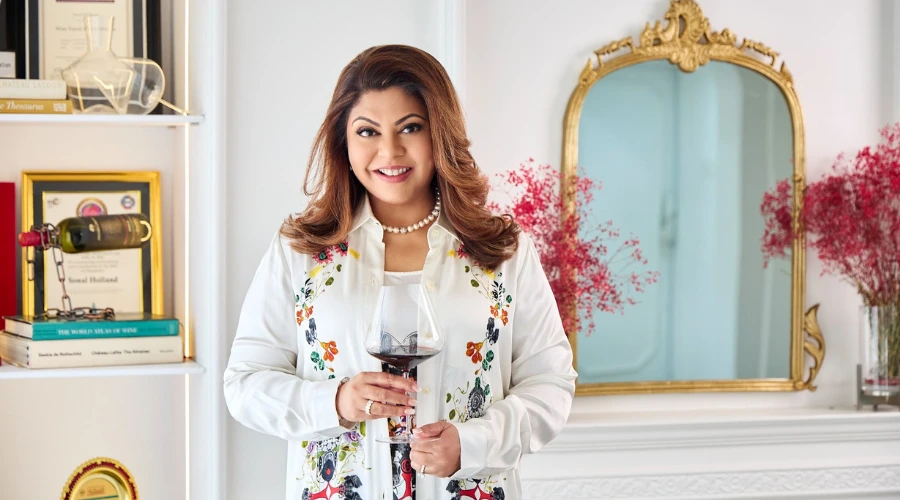

Rosie Davenport has two mantras: be a good human, and drive value through sustainability. “I think it’s important as human beings that we look after each other,” says the founder of the sustainability and communications agency Impact Focus. “The values that are essential to being a good human are the same as the values for good business: fairness, integrity, equality. Those principles, the human side of sustainability, have always guided my life and my work.”
For some 25 years, that work has been in the wine industry. After earning a psychology degree from the University of Leicester, Davenport trained as a journalist and eventually became the editor of both Harpers Wine & Spirits and Drinks Retailing News, two top British trade publications. She then made the switch to corporate communications and moved to Sydney as public relations & communications manager for Australian Vintage. Her work took her to hundreds of wineries around the world, where she couldn’t help but see the deep connection between wine making and nature.
Learning to unpack complex sustainability terms and translate them into a language that made sense to people, was one of the catalysts for her career change. The other one was living in Sydney during the bush wildfires of 2019 and witnessing people’s reactions in Australia and around the world. The experience made her realise that doing business as usual was not an option anymore and that she wanted her future work to focus on sustainability.
“I saw a gap in the market for a communications agency that would really understand the concepts of sustainability and could work with clients in a deeper way,” says Davenport, who returned to the UK and founded Impact Focus in 2020. At the time, she already had a clear vision of what she wanted to do: empower clients to feel confident talking about their sustainability goals and achievements and give them the opportunity to make sustainability a key business strength to give them a valuable competitive advantage in a very crowded and challenging market like wine.
Despite her considerable experience, Davenport returned to school, studying first at the Cambridge University Institute for Sustainability Leadership, and then training with B Lab, the body behind B Corp to become a B Leader, someone who guides businesses through certification. And she hasn’t stopped since because as she puts it: continuous improvement and development is a value of Impact Focus. She is also accredited as a certified Sustainability Professional by the global reporting Initiative, GRI, the world’s leading framework in sustainability disclosures and how companies report on their impacts.
“Communications is a big part of what we do,” Davenport says. “Our clients typically either already have a strategy and are actively working to improve their impact but need help communicating. Alternatively, they’re companies who want to become more sustainable but aren’t sure where to start. In that case, we’ll work with them on understanding which areas of their business to prioritise.”
Davenport also makes sure that her company — a ”might team” of six women — is working in sectors other than wine — with NGOs, sustainability organisations, hospitality and events companies — and in different countries as well, so that Impact Focus has a global view.
Davenport hopes that Impact Focus inspires their client’s key stakeholders to celebrate good business, create loyalty and, ultimately, drive sales. Because being a successful business is also about being a profitable one. ”Smart companies realise sustainability isn’t a cost centre, it’s a place for innovation, for reimagining how a business runs, for pragmatism and creating tangible value – both financially and reputationally,” she concludes.
Five candid questions for Rosie Davenport
How do you manage your own carbon footprint?
We work as much as we can online. This is also a conversation that we have with our clients, and we ask them to examine their travel policies too. When we travel, we favour trains over planes, and we ensure to make the best use of our time. For example, if I’m in London, I am in meetings for probably 10 hours of the day.
Imagine my company has been accused of greenwashing. Should I come to you for help?
Absolutely. Anti-greenwashing legislation has become a major concern for companies and those that flout the law can expect to be fined for misleading consumers through their communications. Often, teams don’t realise that the words they’re using are putting their business and company reputation at risk. But the stakes have never been higher – and consumers feel more empowered than ever to call out greenwashing. There have been several large brands that have been called out, and wine companies are just as likely to face sanctions, but most aren’t prepared.
Have you ever turned down clients?
Impact Focus has a unique approach; we only work with companies committed to sustainability. Typically, they are just starting out and aren’t sure where to start and we help build them an actionable strategy that we can then communicate with confidence. Other clients are already taking action, but are struggling to tell their story, which is where we come in. We’ve had a few companies essentially trying to rush through B Corp certification and cut corners to get there. But that’s not the best approach and, as proud members of the B Corp ecosystem, we know it takes time and dedication to achieve.
That’s why we only work with companies where there’s an aligned mindset and shared values.
Consumers often see wine as a natural and unadulterated product. How can the wine industry pass on messages about new sustainability initiatives without destroying this erstwhile reputation?
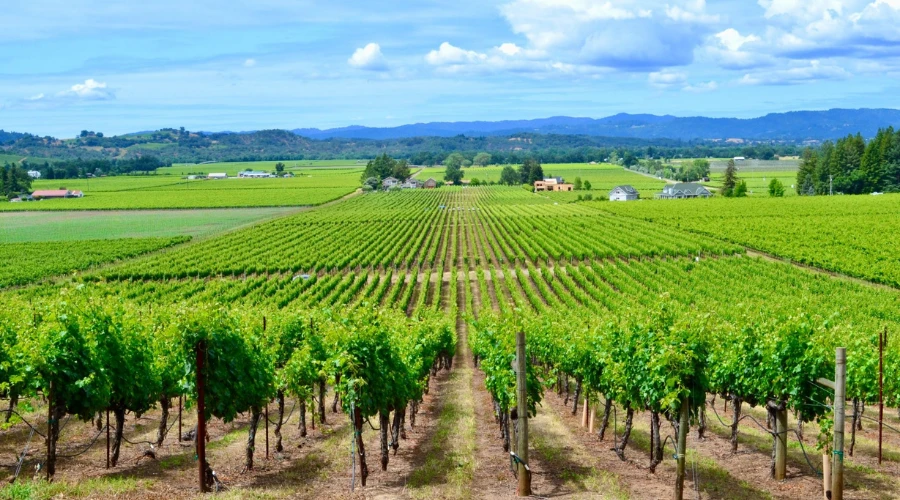
Consumers often see wine as a natural and unadulterated product. How can the wine industry pass on messages about new sustainability initiatives Wine has a golden opportunity to really own the sustainability narrative. Few other industries can claim to have the same connection to nature as wine does. Explaining some of the innovations being done in vineyards in a way that doesn’t sound like a science textbook isn’t such a leap for wine drinkers to engage with. The other advantage is that a large percentage of wine drinkers are highly engaged, they want to know more, to read stories to learn about what they’re drinking. Wine companies are pushing at an open door. But they need to get it right.
What’s the biggest missed opportunity in sustainability?
Our industry is spending a lot of time navel gazing about why younger people are deserting the category and wondering how to keep them, how to stay relevant. Sustainability is the way to connect with these consumers, because they are the generation most attuned to the threat of climate change and the fact that they will inevitably spend some portion of their lives living in a climate emergency. They actively seek out sustainable brands and are unafraid to ask tough questions. Without good sustainability communications, wineries are missing this opportunity.
About Anne Burchet
Anne Burchett DipWSET is a wine marketing and communications specialist, an expert with the European Research Executive Agency (REA), a wine judge (IWC and Decanter), a writer and a lecturer on the business of wine. She has worked in the wine business for more than 35 years.