
Author: Great Wine Capitals
A public more and more diversified
Ask a winery visitor why they’ve come, and the first response from both the casual drive-by to well-travelled aficionados will most likely be: well, the wine. But with a bit more time, we quickly start to see how many different factors are drawing people to wine tourism.
It’s thus incumbent upon the industry to dig past that first answer, to better understand how to meet the needs of the growing number of visitors to spend their vacation time in our vineyards and cellars. It’s crucial to understand the profile of visitors and know what draws them to a winery: the wine itself, the environment, the history or simply a great day outdoors.
Simple questions like “How many wineries have you visited?” or “What wine do you usually drink?” provide insights, allowing wineries to tailor experiences and refine future offerings. This can be done anecdotally as part of friendly interaction with guests, but voluntary surveys can also be very helpful.
Understanding guest profiles is crucial for wineries to offer experiences that appeal to a broad audience, many of whom have higher disposable incomes. Online tools can help guests self-select, giving wineries an idea of expectations before arrival.
5 profiles
- Casual Visitor: Guests may be part of a regional tour, with wine tasting as just one of their activities.
- Wine Curious: Interested but not deeply knowledgeable, seeking a broad experience that includes some history and regional context.
- Wine Novices: New to wine and eager to learn, with potential to become loyal customers.
- Wine Lovers: Passionate, with previous visits to wine regions, and may be familiar with your products.
- Epicureans: Enthusiasts of both wine and food, looking for a full sensory experience.
Wineries are part of a larger socio-economic and natural landscape. To turn regional tourists into wine tourists, experiences must go beyond wine, blending with local history and culture. At Bodegas Bilbaínas in Rioja (Spain), Vanessa O’Bree, Wine Tourism Director, has tracked a growing preference among visitors for cultural and historical context. She notes that today’s guests want more than a standard cellar visit and tasting, seeking new ways to understand the winery’s purpose and origin story. The Bodegas Bilbaínas’ ‘Tasting through Time’ experience responds to this desire by weaving rich historical insights with vivid anecdotes, creating a meaningful and emotionally resonant visit
According to the latest reports[1], wineries continue to diversify their activities to respond to the changing demand of their guests for diverse experiences. Wine routes and tour operators design their itineraries to include different wine styles, architecture and guest experiences. Feedback from these professionals and visitors helps wineries hone their unique selling points (USPs) and create offerings that fit within a regional tourism offer.
Offering a range of different tastings, visit durations, foods, experiences, and pricing tiers helps attract a broader audience. In Rioja, for example, more and more wineries diversify their offer to meet the interests of very different potential visitors: almost 40% of wine estates offer experiences for families and link their experiences to cultural events (music concerts, theatre, art).
[1] Report Enoturismo E Vendite Direct-To-Consumer, WINESUITE 2025
Storytelling and Technology
Passion for wine is contagious, especially among younger generations, and smaller wineries can offer genuine connections. Francisca Vera, Marketing & Sales at Kingston Family Vineyards in Casablanca Valley (Chile) confirms that visitors value smaller settings and the stories behind each bottle. The property customises Masterclasses for university groups, MBA students and lifelong learners to build lasting relationships.
Visitors increasingly seek immersive experiences like participating in harvests, grape stomping and blending their own wine — activities that create a direct connection between the wine in the glass and its origins.
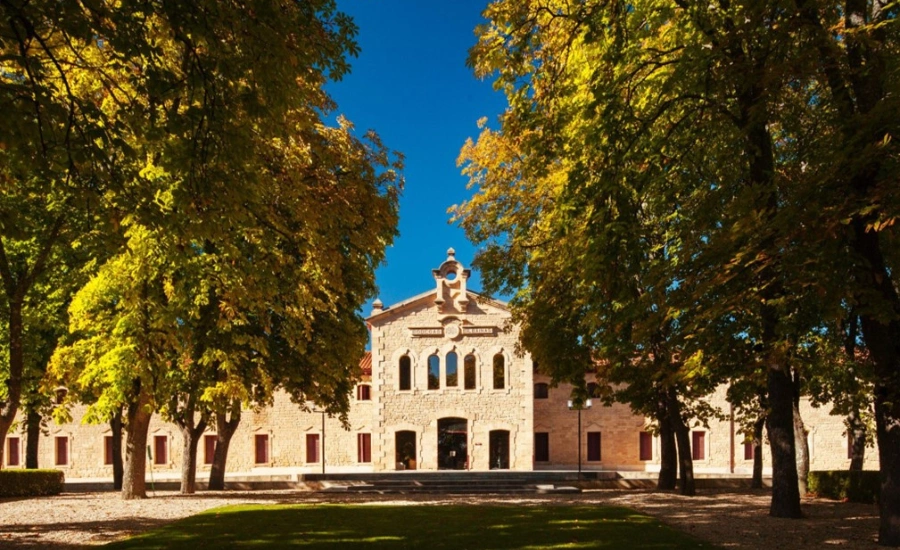 Credit: ©Bobegas Bilbaínas
María de los Angeles Massa of Trapiche Winery in Mendoza has noticed a significant increase in domestic visitors; to meet their expectations, they have incorporated new offerings, seasonal events like “Harvest at Trapiche”, tours enhancing guest interactions or daily masterclasses. They also offer special benefits to make the experiences more accessible to the domestic market.
Technology, including augmented reality (AR) and virtual reality (VR), is also enhancing the winery experience. Innovations allow guests to immerse themselves in the winery’s journey, learning about seasonal challenges and the impact of terroir. Digital tools enable self-guided tours, where visitors can create their own unique experiences. Sometimes guests are happy to explore and taste on their own.
The appeal of wine regions extends beyond just the wine-related activities — it’s also the natural beauty. Younger travellers, especially Millennials[1] and Gen Z[2] are drawn to slow tourism experiences, including guided hikes, farm-to-table dining or local cultural discoveries. Many wineries now offer overnight accommodations, a trend supported by initiatives like the Great Wine Capitals’ Best Of Wine Tourism Award in the Accommodation category.
[1] https://www.grandviewresearch.com/industry-analysis/wine-tourism-market-report
[2] https://www.vinetur.com/fr/2025012984291/millennials-and-gen-z-fuel-wine-tourism-boom.html
Wellbeing and Sustainability
Wellness is a growing motivation for wine tourists as well, with wineries offering yoga and relaxation in the vineyards. Sports and healthy food options promote a balanced and mindful approach to wine, attracting people who value health and well-being. There are also wine regions like the Médoc, Napa Valley, Rioja, and Hawke’s Bay (New Zealand) that organise marathons.[1]
There’s a rising demand for no and low-ABV alternatives, with some wineries offering mocktail pairings or alcohol-free tastings. In Napa, certain tours now focus on the production of dealcoholised wines, responding to this emerging trend.
Sustainability plays a central role in modern wine tourism. Visitors are increasingly looking for eco-conscious experiences and wineries are showcasing sustainable practices through regenerative viticulture, eco-friendly solutions or carbon-neutral initiatives.
In Porto (Portugal), wineries sharing their carbon neutral goals and circular economy practices see a deeper connection with environmentally conscious consumers and the local community. In Adelaide (South Australia), wineries incorporating the sustainability message in all aspects of wine tourism draw visitors in, and visitors in Hawke’s Bay are keen to learn about practices like solar power, sheep grazing for weed control, and biodiversity protection.
[1] https://www.meiningers-international.com/wine/academic-papers/trends-wine-tourism
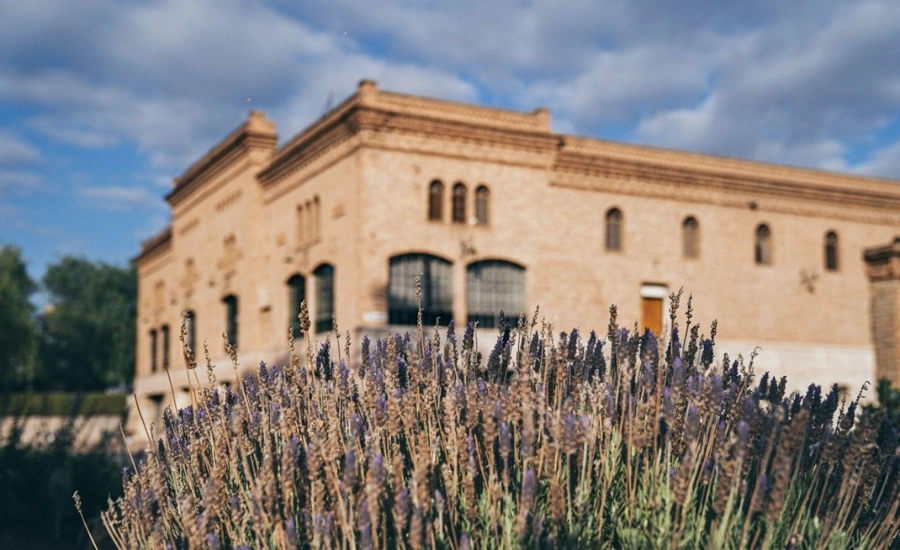 Credit: ©Tapiche Winery
The Best Of Wine Tourism Award in sustainability category highlights wineries that promote eco-friendly experiences, from bike tours to educational initiatives on local biodiversity and carbon neutral cellars to locavore farm-to-table lunches.
Wineries can cater to this demand by offering a mix of the four pillars of the “Experience economy”[1] that Pine & Gilmore identified in 1999: entertainment, education, aesthetics, and escapism. Wine tastings, tours and events entertain, workshops educate, the architecture and natural beauty of the region share the aesthetics, and the experiences offered provide an escape from everyday life.
The sum of these diverse experiences not only shapes a unique winery profile but also broadens the appeal of an entire region. By sharing stories of the people and places behind the wine, wineries cultivate an ever more loyal, discerning clientele.
Diversity in wine tourism is not just about the wine itself, but about how it is made, shared, and experienced.
[1] The Experience Economy, Updated Edition, B. Joseph Pine II, James H. Gilmore, Harvard Business Press, 2011
Biography of Great Wine Capitals
The Great Wine Capitals Global Network*, established in 1999, unites world-renowned wine regions with the objective of driving innovation and collaboration, enhancing sustainable competitiveness in the wine and tourism sectors worldwide. Their accumulated expertise and developed strategic partnerships position wine tourism as a critical growth engine for the industry. Wine tourism plays a pivotal role in diversifying revenue streams and enhancing brand visibility, driving profitability across the value chain. By creating memorable visitor experiences, it transforms wine estates into destinations, strengthening their economic impact and competitive edge. These activities deliver increased profitability for wineries industries worldwide.
* The Great Wine Capitals Global Network currently consists of world renowned wine regions spanning the old and new worlds of wine: Adelaide, South Australia; Bilbao-Rioja, Spain; Bordeaux, France, Hawke’s Bay, New Zealand, Lausanne, Switzerland; Mainz-Rheinhessen, Germany; Mendoza, Argentina; Porto, Portugal; San Francisco-Napa Valley, USA; Valparaiso-Casablanca Valley, Chile and Verona, Italy.