
Author: SpiritsEUROPE
Long-term partnerships and targeted initiatives are working to reduce harmful alcohol consumption in Europe while strengthening a culture of moderation.
Across Europe, the conversation around alcohol is shifting, as is behaviour.
In recent decades, Europe has made real progress in moderation and seen risky drinking patterns decline: World Health Organization (WHO) figures show, for example, a 21% fall in overall alcohol mortality between 2010 and 2020, and an 18% drop in underage drinking between 2011 and 2019. That progress has been made by doing what works: strengthening support for those most at risk, providing clear information for consumers, and focusing on reducing harmful — rather than moderate — drinking.
For spiritsEUROPE Director General Mark Titterington, “Promoting responsible drinking and reducing harmful consumption remain key priorities for the European spirits sector. Across Europe, consumers are increasingly making more informed and balanced choices.”
Today, Europe is seeing changes in how people approach alcohol consumption in everyday life. They are drinking “less and better,” increasingly turning to the growing number of low- and no-alcohol beverages, and limiting alcohol consumption with sober-curious lifestyles that prioritise fitness and participation in sober social gatherings. These trends demonstrate a gradual move towards moderation, accompanied by producers offering consumers a wider choice.
The question is no longer simply whether people drink, but how they drink and how they navigate different situations. These trends are not abstract. They reflect profound changes in society, supported by consistent, targeted efforts.
From awareness to active participation
The public discussion around alcohol is often framed in absolute terms. But in reality, behaviour is more nuanced. For many adults, moderate consumption can be part of a balanced lifestyle, and many understand that excessive, harmful consumption carries risks. This understanding has shaped spiritsEUROPE’s approach over the past 25 years, focusing not only on raising awareness of alcohol-related harms, but also on providing practical tools that help people make informed choices. Through sustained campaigns, responsible drinking messages, consumer information websites and partnerships across Europe, the sector has consistently encouraged moderation and reinforced situations where alcohol should not be consumed, such as during pregnancy, when driving or before the legal drinking age.
Platforms such as spiritEUROPE’s responsibledrinking.eu, tools like the #RDQ (Responsible Drinking Quiz) and a wider network of national information websites help consumers better understand standard drinks, monitor their consumption and make informed choices. The guidance extends beyond how much to drink, offering simple moderation strategies, such as alternating alcoholic beverages with water, pacing consumption, eating before drinking and planning safe transport home.
Through repeated, consistent and targeted communication, particularly towards groups at greater risk of harm, spiritsEUROPE and its partners have worked to foster a culture of moderation and responsible consumption across Europe. These efforts are yielding results, particularly among younger age groups.
 © spiritsEUROPE
Across Europe, initiatives have been designed to directly involve young adults in peer-to-peer awareness campaigns, such as university programmes. Starting in Spain in 2018 and later in Italy, Bulgaria and Croatia, students first learn about alcohol and its effects, then work together to design campaigns that promote responsible drinking among their peers.
More than 3,500 students from 16 universities have already taken part in this initiative, developing ideas that reflect real social environments and behaviours. Since the messaging comes from peers, it seems more relevant and is more likely to be adopted by young adults in the long term. As Mark Titterington explained, “When young adults take the lead, prevention becomes credible, relatable and long-lasting.”
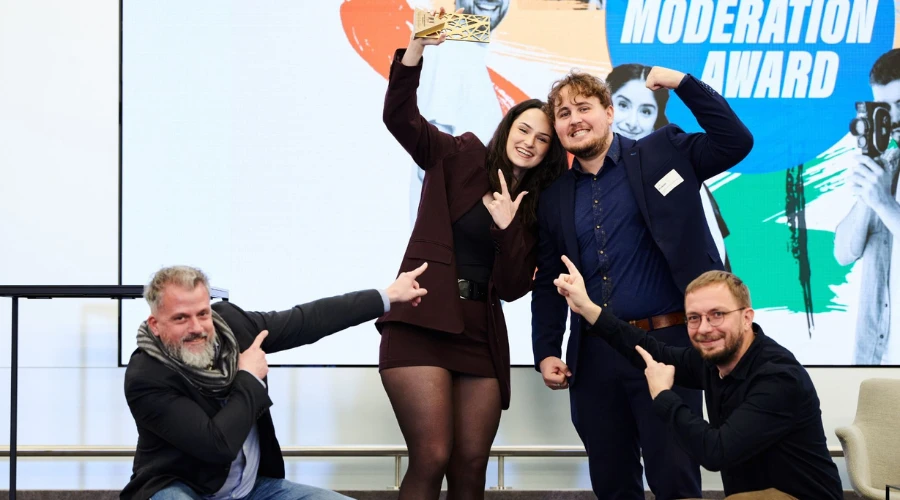
In this context, spiritsEUROPE launched the European United in Moderation Contest in 2025 to award the strongest student-led projects from across Europe. The winners for the inaugural year included Bulgaria’s “AlcoGuide”, a toolkit that helps users estimate their blood alcohol content (BAC) and estimated recovery time; Croatia’s “Od viška glava boli” (Over the Limit, Under the Weather), which playfully encourages discussions about pacing, planning rides and looking friends; and Slovakia’s “Drink Less. Enjoy More.” campaign, which took the top prize.
Making safer choices easier
While the long-term trends are encouraging, these targeted efforts must be sustained to reach each new generation of consumers. Campaigns against drink-driving provide a strong example. Beginning in the 1990s with designated-driver campaigns (such as “Bob” in Belgium and “Capitaine de soirée” in France), prevention efforts have continually evolved, adopting new approaches and tools to renew engagement with the target audience.
A recent example is the FlineBox, an interactive breathalyser developed by a Belgian start-up. Awarded by the European Commission’s Road Safety Unit in 2025, this device for bars, clubs and festivals measures BAC while asking users short questions to better understand their attitudes and behaviour towards drink-driving. By providing immediate and personalised feedback, the tool encourages reflection and informed decision-making before getting behind the wheel.
Since 2024, FlineBoxes have been used more than 2.1 million times, and today more than 400 units are in use in Europe. Recently, the “Catch Your Breath” awareness campaign by Belgium’s Vinum et Spiritus association equipped nine festivals with Flineboxes.
These kinds of national campaigns — which tackle critical areas through a wide range of partnerships with police and local authorities, bars and nightclubs, taxi operators and public transport providers — play an important role in promoting safe alternatives to drink-driving. These and similar efforts have led to a 37% decline in drink-driving fatalities and injuries in the EU since 2010, according to ETSC.
 © spiritsEUROPE
The role of long-term partnerships
Amid these numerous and varied initiatives, one element stands out: Progress is not driven by a single intervention but by the combined effect of many. “A common thread across all actions is the importance of working together — with public authorities, academia, civil society and consumers — to promote moderation and reduce risks in a way that is both effective and sustainable,” Mark Titterington said.
Across Europe, more than 92 information campaigns reached roughly 90 million people in 21 countries, with 1,035 students engaged. From digital platforms to school programmes and local interventions, these actions operate at multiple levels, reinforcing each other over time.
In 2011, Spain’s spirits sector signed a Manifesto against underage drinking, and the Espirituosos España organisation subsequently launched its “Menores ni una gota” (Minors, not a single drop) campaign to help educate families on the risks associated with underage drinking. With support from 300 local authorities and backing from 200 well-known figures, the campaign reached 13.5 million people and provided more than 90,000 families with tools. And since 2012, alcohol consumption among minors aged 14 to 18 has declined, according to an ESTUDES survey.
In 2005, in Germany, the BSI Working Group on Alcohol and Responsibility, in partnership with the BundesElternRat (Federal Council of Parents), developed a “Tell It Straight!” targeted prevention programme that enhances parenting skills and models healthy consumption patterns. That was expanded during the COVID-19 pandemic and continues to be evaluated and adjusted. Since its launch, 318 informative evenings and online training sessions have reached more than 120,000 parents, and the website has received over 1.5 million views. A 45% decrease in reported alcohol consumption over the previous 12 months was registered between 2001 and 2021, according to the Bundeszentrale für gesundheitliche Aufklärung (BZgA).
These initiatives demonstrate that meaningful and sustainable change is achieved not through isolated actions but through enduring collaboration among industry, public authorities, educators, parents and communities.
Sustaining progress
The overall direction is clear. Across Europe, people are drinking differently, often more consciously and with a greater understanding of risk. At the same time, this progress requires continued effort. Behavioural change develops gradually and must be reinforced over time, particularly as new generations engage with alcohol in different ways.
Looking ahead, the focus should remain the same: clear information, practical tools and sustained collaboration. Because ultimately, the shift towards moderation is not driven by a single decision but by many small, informed choices made in everyday situations. SpiritsEUROPE is proud to be part of the conversation that is helping Europeans move from passive awareness to active moderation.
About spiritsEUROPE
spiritsEUROPE represents the producers of spirit drinks in Europe, working with EU institutions and stakeholders to promote responsible drinking and reduce alcohol-related harm through evidence-based initiatives, consumer education and partnerships across society.