
Author: Liz Mendez – Aldea Hospitality
As drinking habits change, dealcoholised wine is uniquely positioned to help the hospitality industry meet new customer expectations while preserving the language and codes that have long been the cornerstone of the guest experience.
For generations, wine has been one of the hospitality industry’s most powerful tools. It elevates a meal, creates a sense of occasion and serves as a vehicle for storytelling. From neighbourhood restaurants to luxury resorts, wine pairing has long been a cornerstone of the guest experience, delivering both culture and connection.
But hospitality is facing a new challenge: preserving the richness of wine’s tradition while meeting rapidly evolving consumer expectations around wellness, moderation and inclusion. Rather than replace wine altogether, the answer is increasingly to reimagine wine’s place at the table in modern drinking.
Just 54% of U.S. adults now report drinking alcohol, according to Gallup’s 2025 Consumption Habits survey. That’s a 90-year low, down from 62% in 2023 and 58% in 2024. For Gallup, the two consecutive years of decline are “unmatched.” From 1997 to 2023, that figure never once fell below 60%.
The shift in attitude is proving just as significant. For the first time in Gallup’s tracking, a majority of Americans (53%) now believe that drinking even one or two drinks a day is bad for their health. That’s up from roughly 25% in the early 2000s, when moderate consumption was widely considered neutral or even beneficial. And behaviour is now tracking with attitude.
NC Solutions reported that 49% of Americans are actively trying to drink less in 2025 — a 44% increase from 2023. That may seem like bad news for an industry that makes a large portion of its revenue from beverage alcohol sales. The good news is, there’s improving quality in the modern substitute for traditional wine.
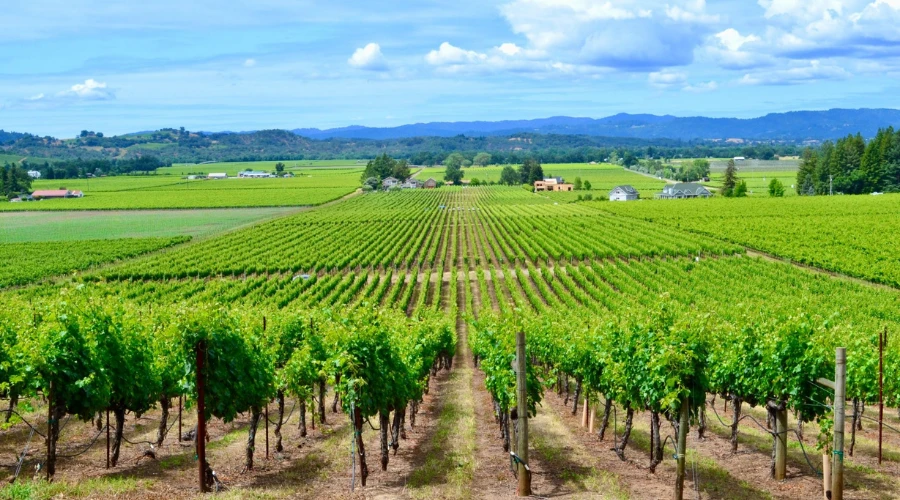 Alex Valley ©Liz Mendez
Democratising dealcoholised
For over a decade, restaurants and leading beverage directors at the highest levels of gastronomy have been treating non-alcoholic options with the respect we are now seeing at the Bib Gourmand and neighbourhood bistro level. It is only in the past few years that the most forward-thinking in our industry have started treating dealcoholised wine as a legitimate pairing discipline in its own right, as one that demands the same curiosity and rigour as a traditional wine program. This is a win-win for inclusion and craft.
For decades, the sommelier’s role has centred on alcohol and its impact on the palate and pairing potential. What serious kitchens are now discovering is that a well-made dealcoholised wine can easily substitute for its alcohol counterpart, thanks in large part to technological advances focused on aroma recovery, fruit concentration and phenolic complexity. In today’s gastronomy, a contemporary wine pairing can still elevate the plate with or without alcohol. That ability is what sets it apart from everything else currently offered to the non-drinking guest.
Sparkling water, spirit-free cocktails, botanical aperitifs and digestifs all have their place. But none carries the same capacity for progression and narrative across a multi-course experience that wine directors have always relied on to turn dinner into something guests remember.
The hospitality industry has spent years expanding food menus to accommodate dietary preferences; beverage programs are now undergoing the same transformation. Dealcoholised wine is uniquely positioned within that shift because it preserves the very language the industry already knows, such as varietals, terroir, food compatibility and the arc of a pairing.
Mind the gap
Still, a critical gap remains: Most hospitality teams are not yet equipped to deliver this experience with the same confidence as they do with traditional offerings. While dealcoholised wine starts with the same base, its production story, slightly altered sensory profiles, and distinct service and storage considerations require a touch more nuance — a big ask given staffing considerations in today’s restaurant economy. Yet many service staff, even experienced ones, lack the vocabulary or authority to explain how dealcoholised wine is made, which is to be expected, as it’s still a relatively young category.
The operators investing in no/low education now are building genuine expertise in dealcoholised options with the same intentionality as their traditional wine selections. And they are about to tap into a whole new level of hospitality that will set their guest experiences apart — and bring other advantages (see sidebar).
Hospitality has always reinvented itself around what guests need next. The kitchen did it with ingredients, with new considerations and an understanding of what a meal could mean. Beverage is at the same stage of evolution now; modern drinking is reinventing the dining experience, and with dealcoholised wine available at the table today, it is ready to shine.
 ©Adobe Stock
Five reasons to embrace dealcoholised wine
Revenue and profitability
The revenue lift from no/low options is well established. However, dealcoholised wine goes further, unlocking a segment that other alternatives cannot reach: wine drinkers who still care about varietal, brand and quality, and who pay accordingly. A profitability angle is also often overlooked. In the United States, dealcoholised wine is often taxed at a lower rate than its alcoholic counterpart, meaning a similarly priced bottle can deliver stronger margins. So modern drinking is not only personalisation for guests but also profitability for the operator.
Differentiation and reputation
A thoughtfully curated dealcoholised wine program has become a genuine differentiator. From neighbourhood wine bars to Michelin-starred dining rooms, beverage leaders who embrace the category showcase the forward-thinking necessary for reinvention. They understand how drinking habits are evolving, and their programs are matching and mirroring the moment. That type of intentionality earns attention and repeat visits from guests — which is key for the sector, as building loyalty in “non-alc” has mostly remained a missing puzzle piece.
Development and leadership
The no/low category is expanding the definition of what it means to be a beverage professional. Building expertise in the industry involves developing new
pairing strategies, deepening product knowledge and sharpening the ability to personalise recommendations. The result is a more skilled, adaptable team that is equipped to deliver exceptional hospitality to every guest, regardless of what is in their glass. Those who invest in development now, across the sector, are already emerging as leaders.
Trust and personalisation
Serving dealcoholised wine with the same care and expertise as traditional wine sends a clear message: beverage hospitality includes equitable consideration. The conversation shifts from whether guests drink alcohol to what kind of experience they are looking for. That reframe builds trust, deepens loyalty and defines a more personal, inclusive style of hospitality. The dealcoholised wine movement is a signal that the most fundamental job in hospitality, taking care of the guest, is expanding.
Reinvention
Wine has always been about more than what is in the glass. It is about who feels welcome at the table and what they draw from the experience. Guests are hungry for what is real and thoughtful, without compromising their health and wellness. That appetite is reshaping every corner of hospitality, and beverage is no exception; dealcoholised wine delivers in a way nothing else does. It carries the craft, the story and the progression across a meal that turns dinner into something lasting. And it extends the experience to every guest at the table, without asking anyone to settle for less.
About Liz Mendez

Liz Mendez has spent the past 30 years working in the hospitality industry, including as the owner of a wine bar and beverage director at several Michelin-starred restaurants. Drawing on 20 years of experience in wine education and consulting, she founded Aldea Hospitality and now writes primarily about the wellbeing of industry professionals, as well as evolving drinking habits and changes shaping the hospitality sector.
About Aldea Hospitality

A creative agency specialising in new venue openings, beverage programme development and trade communications, notably through newsletters, guides and print publications.