
Auteure : The Great Wine Capitals Global Network
Today’s wine travellers seek immersion, authenticity and participation. The Great Wine Capitals Network examines how experiential tourism is reshaping winery visits, visitor spending and destination competitiveness.
For much of the 20th century, travel itself was an attraction. Tourism remained exclusive, and visitors were primarily concerned with one question: “Where can I go?” But as travel became more accessible, destinations could no longer compete on access alone, and service emerged as a key differentiator: leading hotels, restaurants and wineries began investing in hospitality and visitor facilities.
The “experience economy” has transformed consumer expectations, and for wine tourism, this means moving beyond traditional tastings towards experiences that can create emotional connections and lasting memories. Today, the key question is: “What will I remember?”
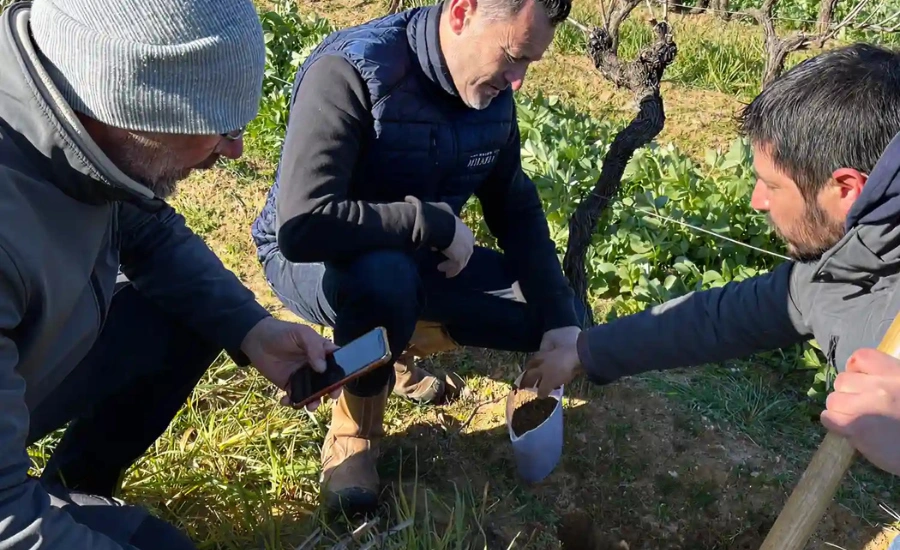
Changing visitor profiles are having a significant impact on the evolution of wine tourism offerings. While traditional tastings and cellar tours remain valuable for first-time wine tourists seeking to understand wine and the production process, more experienced travellers increasingly look for authentic, immersive and memorable experiences that go beyond the winery visit itself.
 Monteleone © Masi Agricola
As a result, wineries no longer benchmark themselves solely against neighbouring estates or other wine regions. Visitors compare experiences across all types of travel. Someone who has enjoyed a truffle-hunting excursion around Bordeaux, a cooking class in Mendoza, or a wellness retreat in Hawke’s Bay brings those expectations to their next wine tourism experience. A cellar tour in South Australia is therefore measured against the best tourism experi...