
With rising profitability, evolving visitor trends and a growing focus on sustainability, wine tourism is becoming a strategic pillar for wine regions worldwide.
Wine tourism is no longer a niche pursuit. For producers and wine regions, it has become one of the most effective ways to grow revenue, engage consumers and strengthen regional economies. For travellers, it offers far more than tastings. It is an invitation into the culture, climate and craft behind the wine.
Across the Great Wine Capitals Global Network (GWC), which links 11 world-renowned wine cities, wine tourism is being redefined as both a business strategy and a public asset. Wineries are moving beyond seasonal offerings and adopting tourism as a reliable driver of growth, delivering lasting economic, cultural and environmental value.
This trend is supported by new international research, including the Global Wine Tourism Report 2025], led by Professor Gergely Szolnoki of Hochschule Geisenheim University, in collaboration with Great Wine Capitals, UN Tourism, OIV and Winetourism.com. The researchers collected data from more than 1,300 wineries across 47 countries, revealing that two-thirds of wineries consider wine tourism profitable or very profitable, and that roughly 25% of winery revenue now comes from tourism-related activities, including direct sales.
“This is the first time we’ve been able to quantify, at a global scale, the full value of wine tourism,” said Professor Szolnoki. “The data confirms that wine tourism is not just a lifestyle trend but a serious driver of economic resilience, sustainability and innovation.”
What was once viewed as supplementary is now central to the business model. In GWC regions like Mendoza, wineries recorded more than 1.5 million visits in 2024. In South Australia, wine tourism contributed more than $1.2 billion AUD ($774 million) to the regional economy in the same year.
Across the network, 2,236 wineries are currently open to visitors, representing a 45.9% increase since 2022. And in total, GWC destinations welcomed 56.7 million wine tourists in 2024, a clear sign of sector-wide momentum.
Spending activation
These numbers tell a deeper story, reflecting a transformation in how wine regions build their reputations, foster economic development, and connect with both global travellers and local communities.
Wine tourism supports far more than the wine industry. It activates spending across restaurants, hotels, transport, events and cultural institutions. In Verona, more than 400,000 wine tourists contributed to a total of 5.8 million tourist arrivals in 2024. In Napa Valley, the value of immersive tourism has attracted long-term investment, including acquisitions by global firms and private equity groups.
“The future of the wine industry is inseparable from the experience economy.”, Jeff Israely
As Catherine Leparmentier, Managing Director of the GWC, puts it: “Our members are living proof that wine tourism is not only viable, but vital. It creates jobs, revitalises rural economies and inspires younger generations to engage with wine culture in a meaningful way. The future of the wine industry is inseparable from the experience economy.”
Beyond its immediate economic benefits, wine tourism is helping producers lead on sustainability. The Global Wine Tourism Report shows that more than 66% of wineries view sustainability as essential to their tourism efforts.
For many GWC regions, this isn’t a future goal, it’s already underway. In Chile’s Casablanca Valley, winemakers are working toward 100% sustainable production, while regions like Mainz-Rheinhessen in Germany are adopting circular economy practices and using wine tourism to educate guests about biodiversity, low-intervention farming and energy-efficient winemaking. This form of storytelling isn’t just good for the planet. It’s good for business, attracting visitors who want their travel choices to reflect their values.
Shifting demographics, digital integration, resilience
Demographics are shifting. While the 45 to 65 age bracket remains strong, travellers aged 25 to 44 are now a fast-growing segment. This group is digitally connected, experience-focused and hungry for stories that link wine to place, purpose and people.
Across GWC regions, wineries are adapting. In Hawke’s Bay, New Zealand, hands-on experiences such as grape stomping, meet-the-winemaker events and vineyard walks with picnic options are bringing visitors closer to the land and its stories. In Bordeaux slow tourism, open-air concerts and wellness-oriented activities are reshaping how guests engage with wine and space. Napa continues to lead in digital integration, with augmented reality tastings, AI-powered wine guides and personalised sensory paths. For informed consumers and cultural travellers, these experiences turn a winery visit into something memorable, meaningful and worth sharing.
Differentiation is now a business imperative. That’s why GWC’s Best Of Wine Tourism Awards have become a benchmark for innovation. Wineries are increasingly investing in vineyard experiences that combine education, cuisine, nature, and art. From open-air cinema nights in Mendoza to marathons through the vineyards of Rioja, tourism is becoming a dynamic platform for engaging new audiences. The strongest experiences are those that highlight local identity, involve community partnerships, and align with broader values of quality and care.
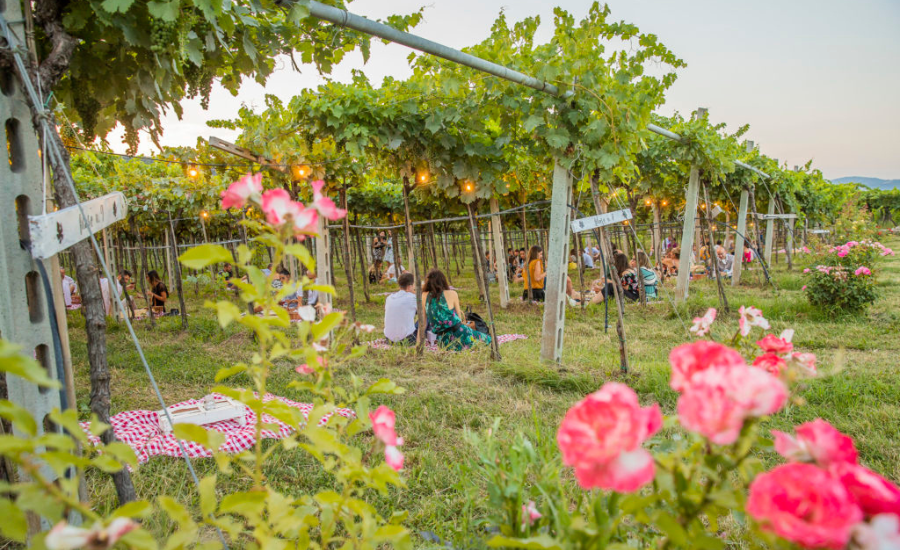
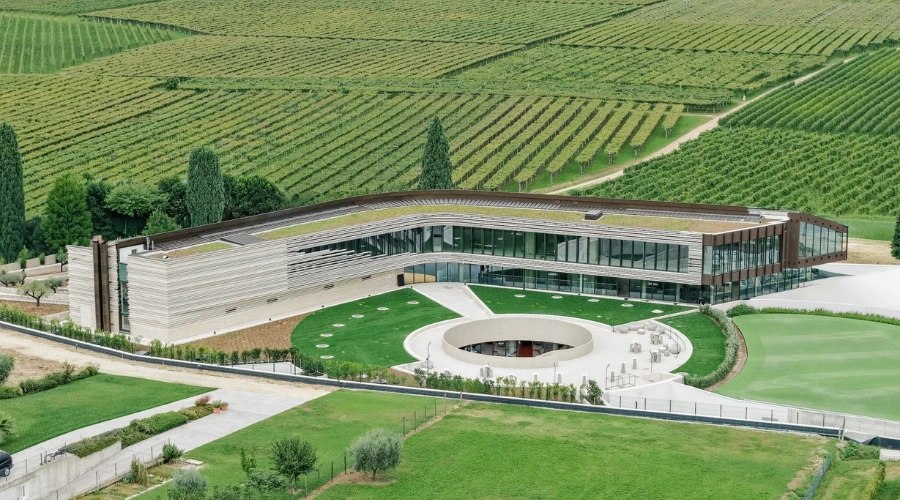
Verona La Dama Winery – vineyards © La Dama
More than a product
In uncertain times, wine tourism offers wineries a direct connection to the market. It buffers against export volatility, changing regulations and even the effects of climate on production. The Global Wine Tourism Report found that nearly two-thirds of wineries believe tourism makes their business more resilient during crises. This was confirmed during recent disruptions in international trade and logistics. Wineries with strong tourism operations were able to maintain visibility, build loyalty and generate revenue when other channels faltered.
The Great Wine Capitals Global Network was founded on the idea that wine regions are strongest when they learn from each other. Today, its members are showing how tourism can be a force for innovation, resilience and shared prosperity. By investing in experience design, sustainability and community connection, these regions are shaping the future of wine, not only as a product, but as a cultural destination.
For professionals in the wine trade, wine tourism is no longer optional. It is a strategic pillar of the modern wine business. And for wine lovers, every visit to a vineyard is not just a moment of enjoyment. It is a vote for the kind of industry, and world, we want to build.
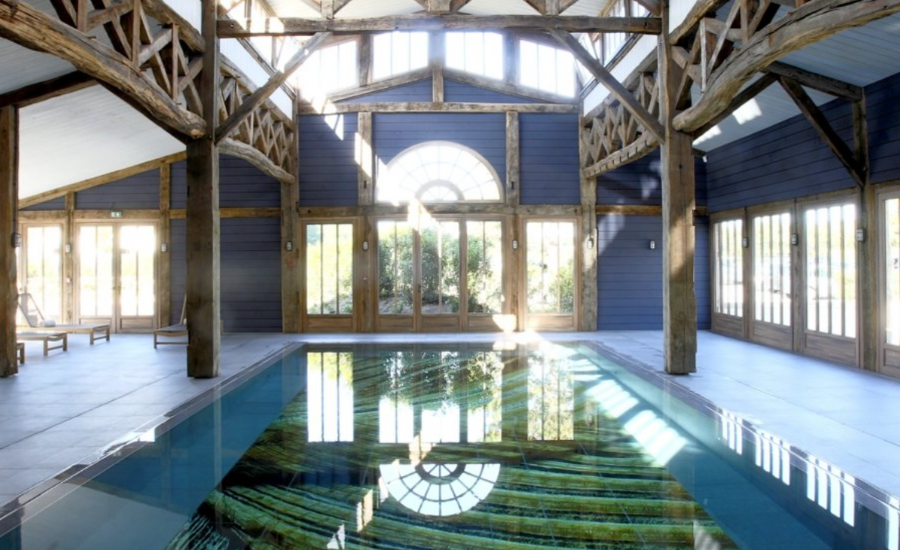
Bordeaux Spa Les sources de Caudalie ©châteauSmithHautLafitte
About Great Wine Capitals
The Great Wine Capitals Global Network is an international alliance of renowned wine regions and their cities, founded in Bordeaux in 1999. It brings together leading destinations where wine and wine tourism shape culture, economy, and community life, offering a unique platform for cooperation, innovation, and global promotion. Through joint projects and shared values, the Network showcases the excellence of its members and strengthens the visibility and competitiveness of great wine regions worldwide.
The Network currently consists of 11 world renowned wine regions from the northern and southern hemispheres, spanning the old and new worlds of wine including: Adelaide, South Australia; Bilbao-Rioja, Spain; Bordeaux, France; Hawke’s Bay, New Zealand, Lausanne, Switzerland; Mainz-Rheinhessen, Germany; Mendoza, Argentina; Porto, Portugal; San Francisco-Napa Valley, USA; Valparaiso-Casablanca Valley, Chile and Verona, Italy.