
A European market in full transformation
Key findings from Circana’s ‘Silent Revolution of Beverages’ study
Circana’s latest analysis on the European wine and spirits market shows steady though uneven drops in alcohol consumption, as consumer behaviour reshapes drink culture.
Europe’s drinks landscape is in the midst of a transformation that would have been almost unthinkable a decade ago. Long dominated by the traditional choices of wine, beer and spirits, the market is now being redrawn by health-conscious consumers, digital culture and new ideas about what it means to enjoy a drink.
According to Circana’s Silent Revolution of Beverages analysis, which draws on consumer panel data and sentiment insights across Europe, the continent’s out-of-home annual drinks market has reached €157 billion. The June 2025 report tallies an astonishing 50 billion beverages served in cafés, restaurants, pubs and bars. Yet behind these impressive figures lies a deeper shift: alcohol is losing ground, while moderation and innovation are fuelling growth.
Moderation rising, alcohol dropping
The numbers tell a sobering story. Across Europe, alcohol consumption in food-service outlets fell by 6%, while retail volumes dropped by 1.7%, equivalent to 285 million fewer litres. Value sales also slipped, down 1.5% (around €1 billion) compared to last year.
This is more than a temporary dip. It reflects a generational movement towards reduced alcohol intake, with younger Europeans leading the way. They are turning to beverages that are refreshing, healthier, and aligned with wellness culture. Retail sales of non-alcoholic drinks rose 5.5% in value (+€4 billion) and 2.3% in volume, representing an additional 1.5 billion litres sold.
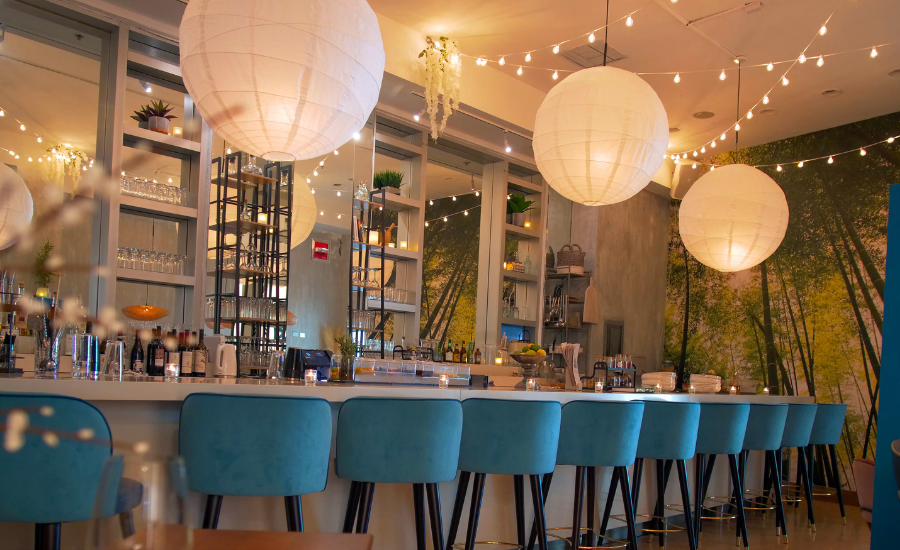
The cultural shift is unmistakable. From after-work mocktails to kombucha nights and CBD spritzes, drinking occasions are increasingly curated with moderation in mind. More than half of Europeans (55%) now expect non-alcoholic beer to be a standard option in bars and restaurants — a remarkable new consumer reality.
“Consumers still value conviviality, but they want it to be more flexible, personalised, and often lighter on alcohol.”
Photo : (c) Adobe Stock
Wines and spirits divide
Within alcohol, the picture is uneven.
Wine, long considered Europe’s cultural anchor, is losing ground. Its heritage-rich image struggles to resonate with younger audiences who value novelty, functional benefits and visual appeal. Both volumes and values are falling, and while premium wines retain loyal customers, the mainstream market is shrinking. Spirits, however, show more resilience.
The standout performer is ready-to-drink (RTD) cocktails, which grew 6.5% in value (+€145 million) and represent the only growth alcohol category.
For spirits makers, innovation is paying off. New flavours, lower-alcohol formats, and collaborations with soft drinks are creating fresh momentum. For wine, the challenge is clear: how to reconnect with a generation that views beverages as tools of identity, wellness and self-expression.
Wellness and digital revolutions
Circana highlights that Europe’s most dynamic beverage trends originate not in vineyards or distilleries but in cafés and on TikTok. Colourful iced teas, fermented cold brews, ginger shots and “smart sodas” enriched with vitamins or prebiotics are reshaping menus. These drinks are designed to be photographed and shared online, as much as consumed.
For 18–34-year-olds, beverages are no longer just thirst-quenchers — they are lifestyle accessories. As Edurne Uranga, VP of Foodservice Europe at Circana, explains that drinks today are about much more than quenching thirst. “They’re a form of self-expression, a mood booster, and a way to support lifestyle goals.”
Blurring boundaries, new opportunities
Circana underlines a critical point: category boundaries are dissolving. Alcohol brands are expan-ding into low- and no-alcohol variants, while soft drink companies are moving into traditionally alcoholic spaces with sophisticated, adult-oriented flavours.
The trend is also visible at home. The rise of “insperiences” — recreating out-of-home drinking rituals at home — has boosted sales of cocktail kits, barista-style beverages, and even virtual wine tastings. Consumers still value conviviality, but they want it to be more flexible, personalised, and often lighter on alcohol.
“Blurring category boundaries is becoming essential for growth,” notes Ananda Roy, Senior Vice President of Global Thought Leadership at Circana.
“Alcohol brands are expanding into low and no-alcohol options to reach health-conscious and younger consumers, while soft drinks are pushing into traditional alcohol spaces.”
Photo : (c) Adobe Stock
The challenge for wine
For the wine sector, Circana’s study is a clear wake-up call. Declining sales across Europe cannot be ignored — and without adaptation, wine risks losing its central place in European drinking culture.
Opportunities do remain. Premiumisation continues to attract discerning consumers who value authenticity, heritage and craftsmanship. Ways to help reconnect with younger generations include innovation in packaging, smaller formats, alcohol-free extensions and storytelling that links wine to sustainability or creativity.
Yet the competition is no longer just other wines or spirits. Today, wine competes with functional teas, RTD cocktails, and wellness-driven sodas that embody identity and lifestyle. To thrive, wine needs to present itself not only as a cultural treasure but as a relevant, versatile companion for modern life.
A silent evolution
Europe’s drinks market is not shrinking — it is evolving. Consumers are not abandoning conviviality, but redefining it. They want drinks that deliver experiences, reflect individuality, and align with healthier living.
For wine and spirits producers, the message is clear. Tradition remains a strength, but it must be paired with innovation and openness to crosscategory experimentation. Those who embrace moderation as an opportunity, rather than a threat, will be best placed to succeed in this new era.
Because in 2025, Europeans are not drinking less. They are drinking differently.
About the Study
Circana’s Silent Revolution of Beverages analysis draws on CREST® consumer panel data and Foodservice Consumer Sentiment insights for the first half of the year to June 2025, covering the UK, France, Spain, Italy and Germany.
About Circana
Circana est un leader des technologies, des données et des solutions d’intelligence artificielle appliquées aux biens de grande consommation, aux produits durables et à la distribution. Sa plateforme Liquid Data®, fondée sur six décennies d’expertise et des algorithmes prédictifs, aide ses clients à comprendre les comportements, optimiser leur performance et accélérer leur croissance.
À propos de Jérémy CAMPY
Fort de plus de vingt ans d’expérience dans les médias digitaux, les contenus éditoriaux et la communication de marque, Jérémy Campy évolue à la croisée du journalisme et de l’innovation digitale. Spécialisé désormais dans le secteur des vins et spiritueux, il a fondé Do You Speak Wine, un studio de communication consacré à la voix et à la visibilité des producteurs et des institutions. Il est également rédacteur en chef de « Voice of the Industry », le magazine éditorial publié par Vinexposium.